
Introduction
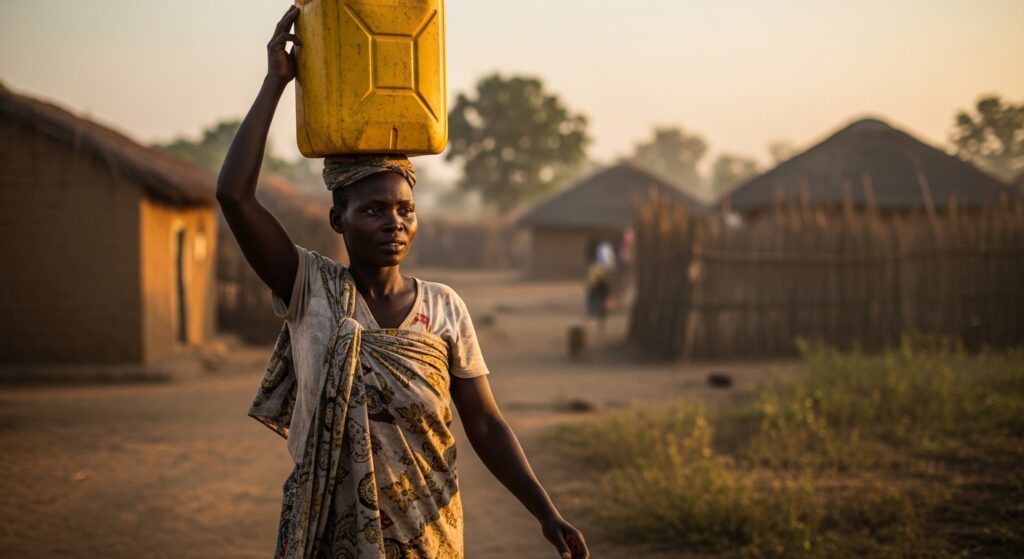
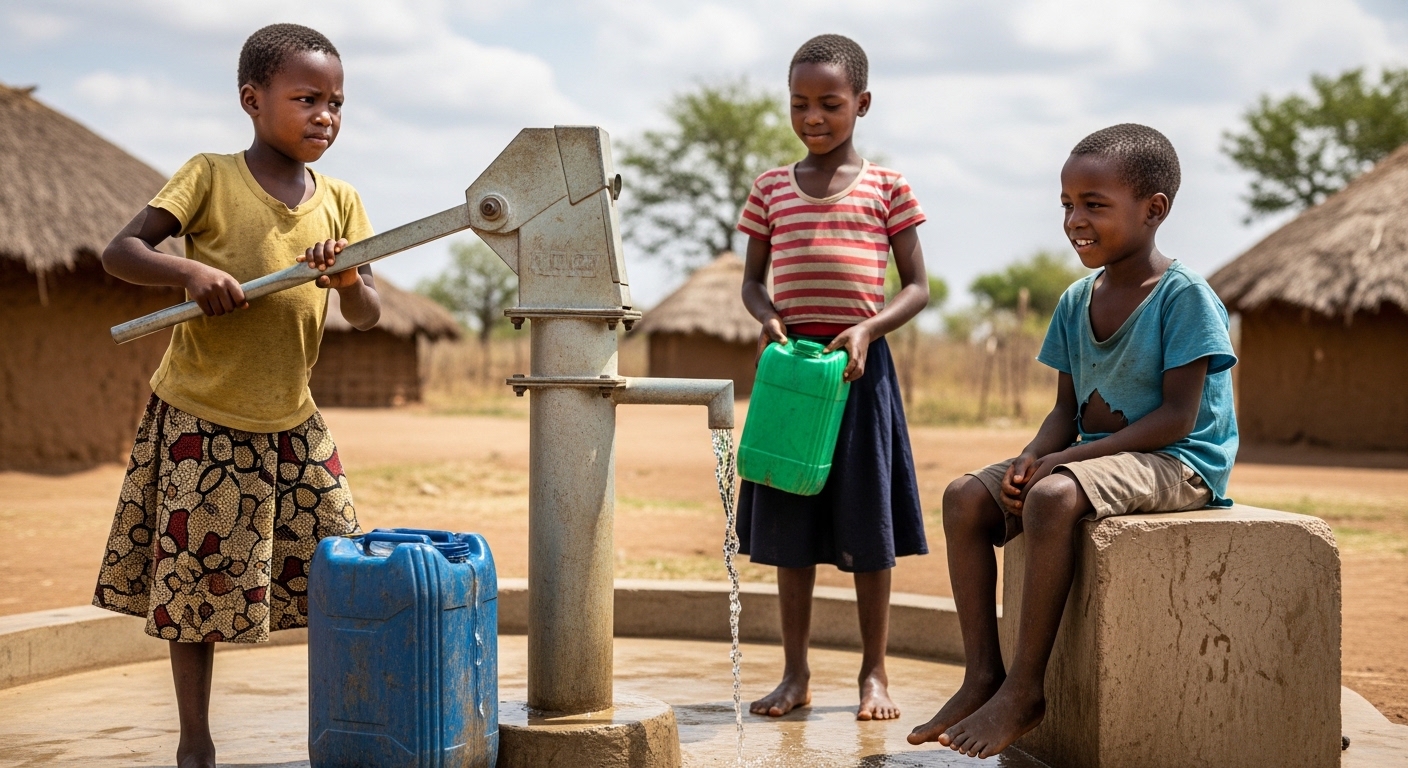
Clean water is essential for health, hygiene, and survival. Yet many communities affected by poverty and displacement rely on unsafe water sources for drinking, cooking, and washing. This increases the risk of disease, especially among children and the elderly.
Improving access to clean water is one of the most effective ways to protect lives and strengthen communities.
Health Risks of Unsafe Water
Using contaminated water exposes families to waterborne diseases such as diarrhea and infections. Children are particularly vulnerable, and repeated illness can affect growth and education.
Safe water reduces preventable illness and supports healthier daily living.
Community Based Water Solutions
Sustainable water access works best when communities are involved. Supporting clean water points, simple filtration systems, and hygiene awareness helps ensure long term use and impact.
Local engagement builds ownership and protects water resources.
Closing
Clean water is not a luxury. It is a basic human need. Supporting water access projects helps communities live healthier, safer, and more dignified lives.